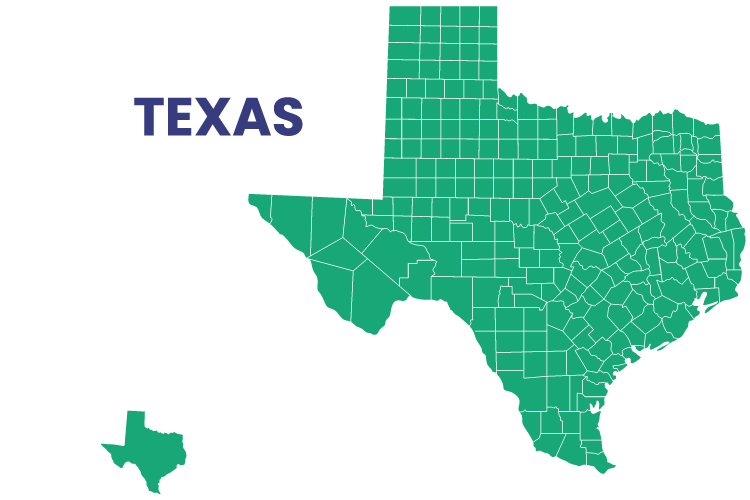
1. Understanding Federal Excise Taxes in Texas
 Federal Excise Taxes Reported Through Form 720
The Internal Revenue Service imposes federal excise taxes on certain goods, services, and business activities. Businesses involved in taxable operations, including transportation services, fuel sales, and other regulated industries, are required to report these taxes through Form 720, the Quarterly Federal Excise Tax Return, which is filed with the IRS every quarter.
Federal Excise Taxes Commonly Reported in Texas
Businesses in Texas may encounter several federal excise taxes depending on their operations. Common categories include fuel taxes, transportation taxes (air and ship passenger), and communications taxes. Industries such as fuel distribution, transportation, and telecommunications may frequently interact with these federal excise tax categories reported through Form 720.
2. Texas Industries that Commonly File Form 720
Fuel Distribution and Energy Businesses
Texas, a major hub for oil and gas production, is home to businesses involved in the sale, distribution, or use of gasoline, diesel, aviation fuel, and other taxable fuels. These businesses are required to report federal fuel excise taxes on Form 720.
Transportation and Heavy Vehicle Operations
Companies in Texas engaged in trucking, air transportation, or shipping operations may need to report Retail federal excise taxes. This includes air and ship passenger taxes for aviation and shipping industries.
Telecommunications and Communications Providers
Businesses providing telecommunications services, such as phone and internet services, may be subject to federal excise taxes. These companies must report Communication and air transportation taxes on Form 720 based on their taxable services.
3. Other Excise Taxes Reported Using Form 720
Apart from the tax categories discussed above, QuickFile720 also supports filing for several other federal excise taxes reported on Form 720. Some of the additional tax categories include:
Sport Fishing Equipment Tax
Manufacturers, producers, or importers of certain sport fishing equipment and fishing-related products may be subject to federal excise taxes. These taxes help support aquatic resource conservation programs.
Gas Guzzler Tax
The Gas Guzzler Tax applies to certain passenger vehicles that do not meet federal fuel economy standards.. Manufacturers or importers of such vehicles may need to report this tax through Form 720.
Health-Related Fees (PCORI Fee)
Health insurance issuers and sponsors of self-insured health plans must report and pay the Patient-Centered Outcomes Research Institute (PCORI) fee using Form 720. This fee helps fund research that evaluates medical treatment effectiveness.
Environmental Tax
The Environmental Tax applies to certain businesses involved in the production of chemicals, fuels, and other products that may harm the environment. Companies subject to these taxes are required to report them through Form 720.
Foreign Insurance Taxes
Businesses that pay premiums to foreign insurers or reinsurers must report these payments under the Foreign Insurance Tax rules. This tax applies to specific insurance policies issued by foreign insurance providers and is reported through Form 720.
Manufacturer Tax
The Manufacturer Tax applies to manufacturers of certain goods or products that are subject to federal excise taxes. Businesses engaged in manufacturing specific products, such as tires, may need to report this tax through Form 720.
Vaccines Tax
Federal excise taxes apply to certain vaccines sold by manufacturers or importers. These taxes fund programs such as the Vaccine Injury Compensation Program and are reported on Form 720.
QuickFile720 supports all federal excise taxes reported on Form 720. We are an IRS-authorized and affordable Form 720 e-file provider in the U.S.
4. Form 720 Filing Deadlines
| Quarter | Tax Period Covered | Form 720 Due Date |
|---|---|---|
| 1st Quarter | January 1 – March 31 | April 30 |
| 2nd Quarter | April 1 – June 30 | July 31 |
| 3rd Quarter | July 1 – September 30 | October 31 |
| 4th Quarter | October 1 – December 31 | January 31 (following year) |
Note: If the due date falls on a weekend or federal holiday, the filing deadline moves to the next business day as per IRS rules.
5. How Texas Businesses File Form 720
1. Determine Taxable Activities
Businesses must assess whether their operations fall within federal excise tax categories, such as fuel sales, air travel, telecommunications services, or other activities subject to taxation as outlined by the IRS.
2. Calculate the Relevant Excise Taxes
After identifying the taxable activity, the business must compute the appropriate excise tax, considering factors such as the applicable tax rate, quantity, or transaction value specific to that category.
3. Complete the Required Form 720 Sections
The applicable Part I or Part II tax categories and schedules must be completed on Form 720 based on the type of excise tax being reported.
4. Submit the Return Electronically
Businesses can submit their completed Form 720 electronically through an IRS-authorized 720 e-file provider, which simplifies the filing process and helps reduce errors.
5. Receive IRS Acknowledgment
After submission, the IRS processes the return and provides an acknowledgment confirming that the filing has been successfully received and accepted.
6. Why Texas businesses File
Form 720 Online With QuickFile720
Covers All Form 720 Tax Categories
QuickFile720 supports all federal excise tax categories reported under Form 720, enabling Texas businesses to file any applicable taxes seamlessly. This feature simplifies managing multiple tax obligations through a single platform.
Affordable and Cost-Effective Filing
QuickFile720 provides one of the most budget-friendly solutions for filing Form 720. Texas businesses can ensure compliance with IRS regulations without incurring high filing fees.
Secure Filing with AICPA SOC Certification
QuickFile720 adheres to the highest security standards and is AICPA SOC certified , ensuring that your sensitive business and tax data is securely processed and transmitted.
Dedicated Customer Support
QuickFile720 offers reliable customer support to assist businesses throughout the filing process. Texas companies can access help whenever needed, ensuring a smooth filing experience.
No Software Download Required
QuickFile720 is a fully online platform, meaning Texas businesses can file Form 720 directly from any device without the need for software downloads. This makes filing easier and more accessible for businesses across the state.