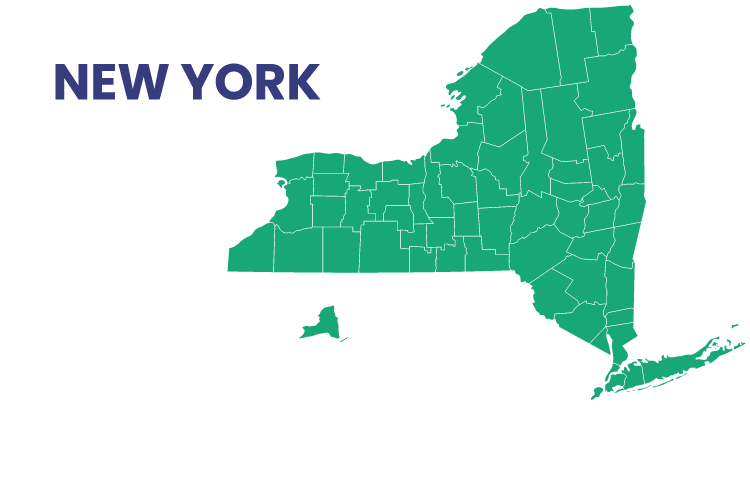
1. Understanding Federal Excise Taxes in New York
 Federal Excise Taxes Reported Through Form 720
Excises are taxes that the federal government collects through the Internal Revenue Service (IRS). Companies doing business in New York will need to use Form 720 to report their excise taxes. Form 720 is called the “Quarterly Federal Excise Tax Return.” These taxes include various transactions that take place in the country, including those that occur in the state of New York.
Federal Excise Taxes Commonly Reported in New York
Federal excise tax reporting is typically utilized by New York businesses involved in regulatory industries, such as those involved in fuels, aviation, and taxable services as specified by the IRS. Such taxes are usually related to taxes collected on fuels such as gas, diesel, and aviation fuel based on production, sale, and use.
New York businesses usually report excise taxes relating to transportation services, which may be related to services using motor vehicles, airplanes, and other commercial services that require federal excise tax reporting.
2. New York Industries that Commonly File Form 720
Fuel Usage and Supply Operations
Across New York, businesses involved in the handling, distribution, or use of fuels may fall under federal excise tax requirements. This includes gasoline, diesel, and aviation fuel, where tax liability is determined based on how the fuel is sold, transferred, or used in operations. Form 720 is used to report these fuel-related excise taxes when applicable under IRS rules.
Air Travel and Aviation Services
Given New York's role in national and international travel, businesses connected to air transportation may have excise tax obligations. This applies to services involving the movement of passengers or cargo by air, where Communications and Air Transportation Taxes may be required to be reported through Form 720, depending on the nature of the service.
Environmental Taxes
Businesses involved in activities that contribute to environmental impacts may be required to pay environmental taxes under Form 720. This includes taxes on the manufacture, import, or use of ozone-depleting chemicals, which aim to reduce substances harmful to the ozone layer. These taxes are part of the federal government's efforts to protect the environment and encourage businesses to adopt sustainable practices.
3. Other Excise Taxes Reported Using Form 720
Beyond the commonly discussed categories, several other federal excise taxes may apply depending on the nature of business activities. These taxes are also reported using QuickFile720.
Sport Fishing Equipment Tax
Manufacturers, producers, or importers of designated fishing equipment may be required to pay the sport fishing equipment tax. This tax supports federal programs focused on aquatic conservation and fisheries management.
Retail Excise Tax (Truck-Related)
Some types of trucks have the potential of falling under the truck excise tax category. This is common among companies that transport goods or move cargo from one point to another.
Foreign Insurance Taxes
Businesses that make premium payments to foreign insurers or reinsurers must report these under foreign insurance taxes. This applies to specific insurance arrangements where the provider is based outside the United States.
Indoor Tanning Service Providers
Service providers offering indoor tanning are subject to a 10% indoor tanning excise tax, which must be reported on Form 720 based on the amount charged to customers.
PCORI Fee (Self-Insured Health Plans)
Organizations that maintain self-insured health plans are required to report the PCORI fee annually. This fee funds health research initiatives and is filed through Form 720 for the applicable period.
Tax on Gas Guzzlers
This tax is imposed on particular types of passenger vehicles which do not comply with federal fuel efficiency standards. The tax on gas guzzlers must be reported by manufacturers and importers.
Manufacturer's Excise Tax
The manufacturer's tax is levied on particular items manufactured or imported, such as tires, among others, that are governed by federal excise tax regulations on Form 720.
Vaccine Excise Tax
Federal excise taxes on vaccines apply to manufacturers or importers of taxable vaccines. These vaccine excise taxes help fund national compensation programs and must be reported accordingly.
Remittance Transfer Tax
A remittance transfer excise tax of 1% may apply to certain cross-border money transfers from the United States to foreign countries. This tax is reported quarterly through Form 720 based on applicable transactions.
QuickFile720 supports all federal excise taxes reported on Form 720, providing a streamlined and reliable e-filing experience as an IRS-authorized provider.
4. Form 720 Filing Deadlines
| Quarter | Tax Period Covered | Form 720 Due Date |
|---|---|---|
| 1st Quarter | January 1 - March 31 | April 30 |
| 2nd Quarter | April 1 - June 30 | July 31 |
| 3rd Quarter | July 1 - September 30 | October 31 |
| 4th Quarter | October 1 - December 31 | January 31 (following year) |
Note: If the filing deadline falls on a weekend or a federal holiday, it will automatically shift to the next business day in accordance with IRS guidelines. For a clearer understanding of deadlines, refer to the Form 720 Due Date page.
5. How New York Businesses File Form 720
1. Identification of Applicable Taxable Activities
New York-based organizations must start by assessing their business activities in light of the potential existence of activities that are taxed via federal excise taxes. Examples of activities that are taxed as part of federal excise taxes include fuel usage, air, water or land transportation services among other taxable activities recognized by the IRS.
2. Determine Excise Taxes Owed
The next step involves computing how much excise taxes are payable for the period covered. Calculating these taxes involves applying the relevant rates taking into account any other elements like quantity, usage or amounts that need to be considered when calculating the taxes due in specific categories like fuel or transportation related taxes.
3. Complete the Relevant Section in Form 720
The relevant parts in the form 720 need to be completed as required depending on the type of taxes that needs to be filed. For instance, one may have to complete Part I or Part II and the respective schedules where appropriate.
4. E-file Form 720
For efficiency purposes, one may opt to file his excise taxes online using the electronic service provided by an authorized IRS e-filing provider.
5. IRS Acknowledgment
Upon submission, one receives an acknowledgment receipt from the IRS.
6. Why New York businesses file
Form 720 Online With QuickFile720?
IRS-Approved Service for Hassle-Free Form 720 Filing
QuickFile720 is an approved Form 720 filing site by the IRS and has been created to help businesses in New York file their returns accurately, directly to the IRS.
High-Level Data Protection Standards with AICPA SOC 2 Compliance
The platform adheres to top-notch data security protocols and has been accredited with the AICPA SOC 2 certificate, providing maximum data security at every step of the filing process.
Affordable and Economical Filing
QuickFile720 is an economical filing platform for businesses that want to submit form 720 without spending any unnecessary amounts on filing. The portal will ensure that your business gets its filing done in a cost-effective manner and in accordance with the rules of the IRS.
User-Friendly Interface
The portal has been created keeping in mind the convenience of users. They can easily navigate through the steps.